
Author: Lisa Graas, assisted by Grok.
Introduction
The Catholic Church has played a pivotal role in shaping Western Civilization, influencing not just spiritual life but also art, education, law, politics, and culture. From the fall of the Roman Empire through the Middle Ages and beyond, the Church was a central force in organizing society, preserving knowledge, and promoting developments that would define Western culture.
Preservation of Knowledge
After the fall of the Western Roman Empire in 476 AD, Europe entered what is often termed the Dark Ages, marked by a decline in literacy, infrastructure, and centralized governance. In this period, monasteries became the beacons of learning, where monks meticulously copied and preserved ancient texts, including those of Greek and Roman philosophers, scientists, and theologians. This preservation effort was crucial during the Carolingian Renaissance under Charlemagne, where the Church, through figures like Alcuin of York, revitalized education, literature, and the arts.
Education and Scholasticism
The Church was instrumental in establishing the university system in Europe. Universities like Bologna, Paris, and Oxford were initially schools of theology but grew to include medicine, law, and philosophy. Scholasticism, a method of critical thought that reconciled Christian theology with classical philosophy, was developed in these institutions. Thinkers like Thomas Aquinas synthesized Aristotelian philosophy with Christian teachings, laying foundational ideas for Western philosophy, ethics, and theology.
Art and Architecture
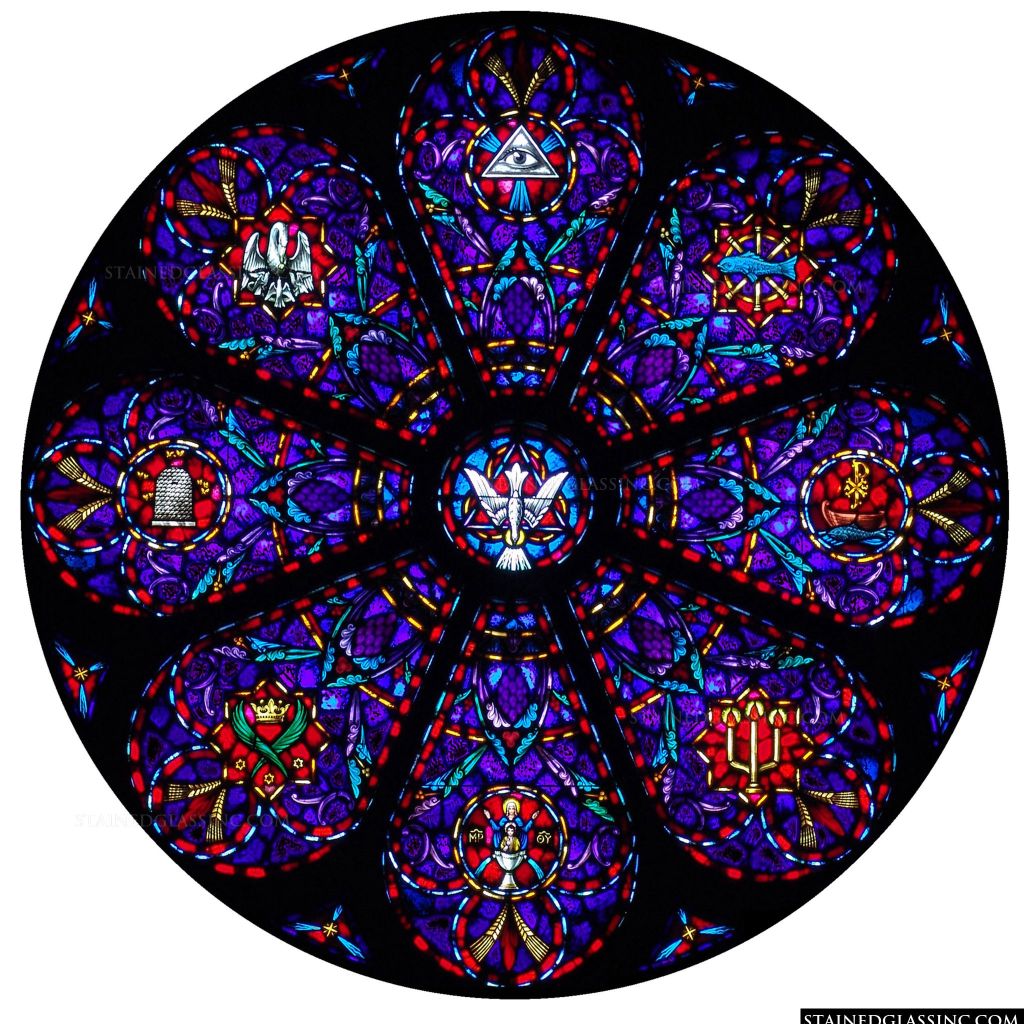
The Catholic Church’s influence on art is monumental. From the Romanesque to the Gothic architectural styles, churches and cathedrals became not only places of worship but symbols of spiritual and cultural identity. These buildings were adorned with art that educated the largely illiterate population about biblical stories through stained glass, sculptures, and frescoes. This period saw the rise of artists like Giotto, whose innovations in painting laid the groundwork for the Renaissance.
Law and Governance
Canon law, the Church’s legal system, influenced much of Western legal tradition. Concepts like the rule of law, the notion of justice, and the dignity of the human person are deeply rooted in Christian theology. The Church’s administrative apparatus provided a model for secular governance, with its hierarchical structure influencing the development of state bureaucracies. Papal bulls and Church councils also played roles in legitimizing or challenging the sovereignty of monarchs, thus shaping political landscapes.
Moral and Ethical Framework
The Church provided a moral compass for European society through its teachings on ethics, which emphasized charity, the sanctity of life, and justice. These values influenced societal norms, legal systems, and individual behaviors. The concept of natural law, heavily developed by Catholic theologians, has become integral to Western legal and moral philosophy.
Cultural Unity
During the Middle Ages, the Church was one of the few unifying forces in a fragmented Europe. Latin as the language of the liturgy and scholarship created a cultural unity across disparate regions, fostering a common intellectual and spiritual heritage. The Church’s festivals, feast days, and liturgical calendar structured communal life, embedding religion deeply into the daily lives of people.
The Renaissance and Reformation
While the Renaissance initially began as a rebirth of classical learning, it was heavily influenced by the Church. Many patrons of the arts were clergy or laypeople motivated by religious devotion. However, the Reformation challenged the Church’s authority, leading to religious wars but also to a reevaluation of religious practice, personal faith, and governance, which fractured Western culture to a degree.
Conclusion
The Catholic Church’s contributions to Western Civilization are vast and varied, touching every aspect of life from the mundane to the sacred. By preserving knowledge, fostering education, shaping law, inspiring art, and providing a moral and ethical framework, the Church has left an indelible mark on Western culture. Its influence continues to be felt, debated, and appreciated as a cornerstone of the cultural, intellectual, and spiritual landscape of the West.
